There will be a day when we will cease to exist.
That day, this whole experience we call life will suddenly truncate itself and it just wouldn’t matter whether you were happy or rich or miserable or aloof or poor or anything else.
That, I find, is the shocking part of life that we as humans strangely live in denial or ignorance of. We live as if we’re going to live forever, never really stopping for a moment to measure, value and plan this finite resource we have for ourselves called life – we usually measure it in the units of time: “I don’t have much time left on this earth/ I’m going to live forever”.
As humans we are able to perceive and maximise various other types of resources. Money is the best example that comes to mind. No matter what the amount, we try to get the most out of our money. Then why don’t we do that with our lives? Why do we leave it circumstances or chance or destiny to do that for us?
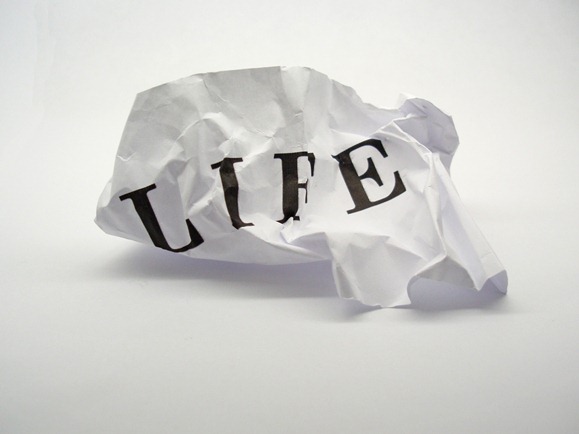
I suspect there are two possible reasons because of which live in this denial/ ignorance or helplessness.
1. The first problem lies with the fact that we don’t know when we’ll die. This uncertainty about the quantum of the resource (of life) that we have creates a misperception of having infinite. We don’t know how much time we have on this earth, so we perceive it to be endless, assuming our day of reckoning to be so far away in the future that it would be futile to worry about it today. The same problem does not occur with most of the other experiences or resources that we are able to plan very well for: such as fuel, money, today’s schedule, a vacation, etc.
2. The second reason is the cliche of course – we just don’t care. We get so entangled in our daily pursuits of money, relationships, money, things, money, etc that we mistake achievement of these to be the same as living.
Essentially, we just don’t realise that we fritter away our lives, the most important currency we are born with, exchanging it for some paper currency or objects.
Infact, Seneca captures it beautifully in his short essay On the Shortness of Life. (I recommend everybody to read it):

Oddly enough, this thought was triggered while I was re-watching the Guardians of The Galaxy last night (Oddly because this is hardly the movie expected to raise thoughts such as this). It was in the first 5-10 minutes of the movie, when the young Peter Quill is standing in the hospital room next to his mother. She raises her trembling hand towards him, asking him to hold it in her last few moments, but the young Peter Quill hesitates or refuses to do so. A few seconds afterwards, she dies, her hand dropping on the bed like and unstrung piece of wood. Full credits to the make up artists involved here because she looked so lifeless that it stirred up something in my heart and my head and the impact of loss of one’s life or a loved one’s life hit home like a gargantuan sledgehammer.
Then later on, as I watched Liam Neeson die (as he usually does in movies – infact, here’s a list of actors who frequently die in movies) in Run All Night, it hit home again, but this time with a heavy Irish accent that makes you want to pick up a gun, brood all day and fight wolves.
The fact of the matter is : WE WILL DIE ONE DAY. There will be no warnings, no ceremonies, no drum rolls, we will just die. And then everything we have every bought or worn, every penny we have earned or spent, every relationship we have kept or lost – it will all just vanish into thin air. We will just become a memory. And memories fade. And the keepers of the memories die too, and your last remnants on this planet earth will die with them. There must be very few who must be remembered by two generations down the line, many are forgotten by the next generation itself. All the great life and it’s immortality we imagine, will be completely forgotten.
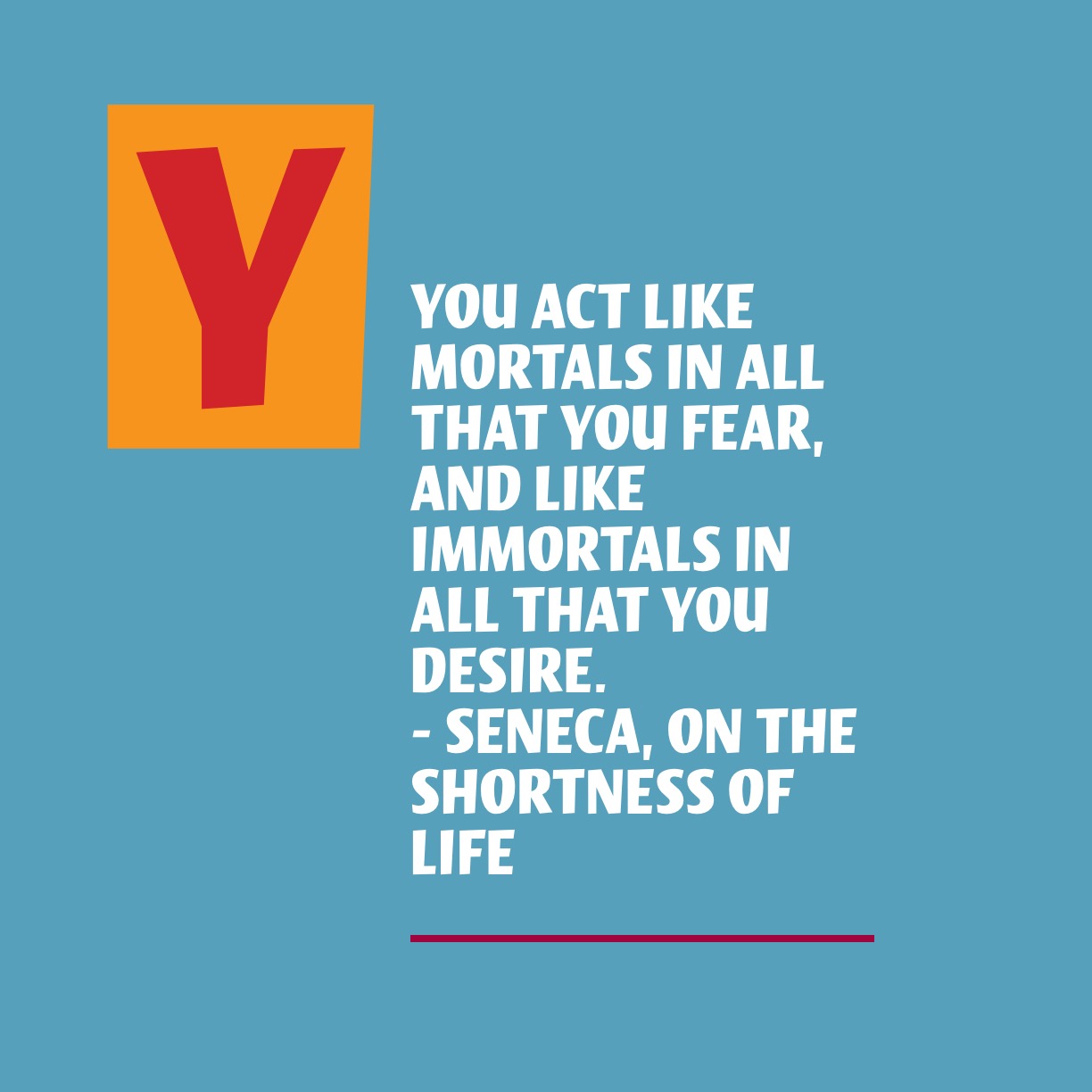
I’d like to quote Seneca from On the Shortness of life here once again.
So how does one escape this conundrum? This sure-shot decline into oblivion? How does one leave a mark or a legacy behind, something that is more than just a memory or a photograph which will be lost with their keepers?
The answer according to me lies in one simple word:
Create
Yes. Creation – be it writing a book, painting, making a sculpture or innovating in any kinds of fields which change the course of mankind – that is where the answer lies. It’s when you leave something behind – something that can either be cherished or be used by people long after you are gone, that’s when I would conclude that you have truly lived.
Otherwise you have simply existed along with the trillions of other organisms that have on this planet earth. Hence, create – create to escape from oblivion!

 SUDHANSHU'S BLOG - ONCE MORE INTO THE FRAY
Leave a comment